
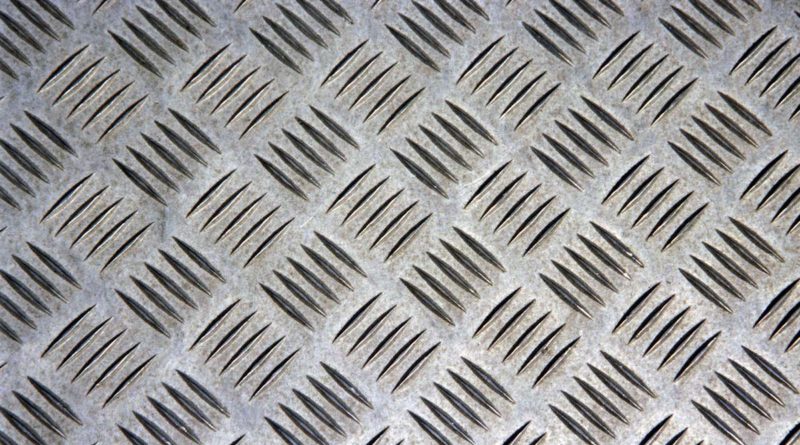
Texture, Patterns, Backgrounds
Texture can refer to the properties held and sensations caused by the external surface of objects and received through the sense of touch. It can also refer to the character or appearance of a surface, substance or a textile fabric. For example: the texture of the skin, smooth or wrinkled; the texture of an avocado pear, bumpy and knobbly; the texture of tree bark, some quite smooth, others very rough. The nature or appearance of a textile fabric is determined by its weave and thickness of the thread used in its production. For example: coarse sackcloth or smooth silk. Textures and tones are also predominant in art, particularly in painting: the textural surface of an oil painting produced with a palette knife is totally different to that of a watercolour painting. The word texture is also sometimes used to describe the feel of non-tactile sensations, such as the qualities of the various elements which make up the composition of a piece of music or a poem.
Photographers use texture as a way of drawing the viewer in to the picture, or to get their attention. In some photographs texture is the whole image, so the photographer uses a macro setting to reveal in detail the surface patterning of, say, wood grain or woven cloth. In other photographs the texture element may just be a smaller part of the whole image, for example in a landscape shot where there is an interesting mass of interwoven tree roots in the foreground. In both these examples you could think of texture as another element of the image in the same way that colour is.
Key things to look for if you want to create interesting texture photographs are repeating patterns, curves, colour and contrasting tones. Often light coming from one side will show up the texture best. In most cases the camera’s built-in flash will not help improve the image because it will wash out the colours and make the image look harsh. Professional photographers use an external flash which can bounce the light indirectly onto the subject; this can soften the effect and make interesting shadows.
Shooting a picture
Unless you are just shooting a picture of the texture itself, it is important that you think about the relationship between the texture element that you intend to draw the viewer in, and the meaning of the photograph as a whole. The eye-attracting texture should add interest to the scene, not dominate the image too much.