
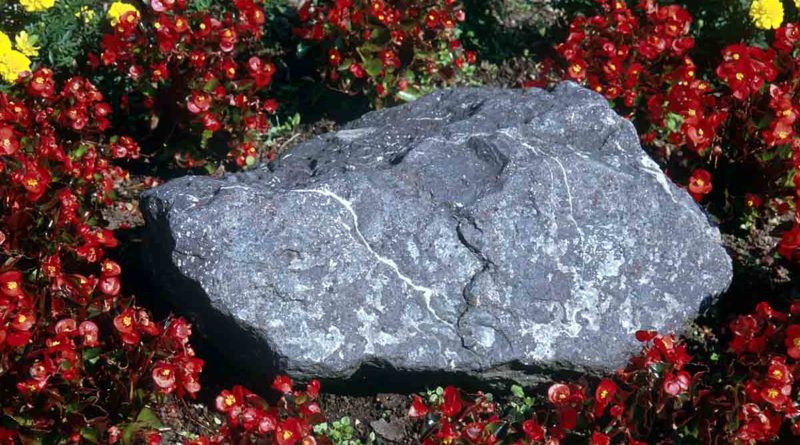
Stones
Stones, with their timeless beauty and enduring presence, have been an integral part of human history and civilization. As some of the oldest materials on Earth, stones have witnessed the rise and fall of ancient civilizations, witnessed the evolution of architecture, and played a vital role in shaping the landscapes we inhabit.
Rock is a substance composed of minerals and classified according to mineral composition. Rocks are generally classified by the processes that formed them, and are thus separated into igneous, sedimentary, and metamorphic rocks.
Igneous rocks are formed from molten magma, sedimentary rocks by deposition and compression of particulate matter, and metamorphic rocks by either of the first two categories after being changed by the effects of temperature and pressure.
In cases where organic material leaves behind an imprint of itself in rock, the result is known as a fossil. Mankind has utilized rock since antiquity, and it has played a major role in human advancement. Ancient monuments and tombstones bear witness to the symbolism and cultural and religious importance associated with rock in its various forms through the ages.
Rock has also enjoyed popularity as a landscaping feature – for instance in intricate paving and walling – valued for its sculptural properties and permanence.
You can use the large stones pictures for free with a credit to the website.
The Timeless Marvel: Unraveling the Enduring Beauty and Importance of Stones
Introduction
In this article, we will delve into the fascinating world of stones, exploring their geological origins, diverse types, cultural significance, and the essential roles they continue to play in modern society.
1. The Geological Origins of Stone:
Stones are natural mineral aggregates that have undergone geological processes over millions of years. They form through a combination of various factors, including heat, pressure, erosion, and crystallization. The Earth’s crust contains a wide array of minerals, each with distinct properties that determine the characteristics of different types of stone.
Igneous stones, such as granite and basalt, form from the solidification of molten magma or lava. Metamorphic stones, like marble and slate, result from the transformation of pre-existing rocks through heat and pressure. Sedimentary stone, such as limestone and sandstone, form from the accumulation and compression of sediments over time.
2. The Diversity of Stone:
Stones come in a vast range of colors, patterns, and textures, making them exceptionally diverse and appealing for various applications. Each type of stone possesses unique attributes, making it suitable for different purposes.
Granite, with its durability and resistance to wear, is a popular choice for kitchen counter tops and outdoor paving. Marble, renowned for its elegant appearance and veined patterns, has been a symbol of luxury and refinement in architecture and sculpture for centuries. Limestone, a softer stone, has been widely used in ancient and modern construction, while slate’s smooth, flat surface has made it a preferred material for roofing and flooring.
3. The Cultural Significance of Stone:
Throughout history, stones have held immense cultural significance in diverse societies around the world. Ancient civilizations revered stones for their connection to the earth and the spiritual realm. Megalithic structures like Stonehenge and the Great Pyramids of Giza stand as timeless testimonies to the human fascination with stones and their mystical attributes.
Stones have also been used to create magnificent works of art and architecture. From the intricate carvings on ancient temples to the masterpieces of Renaissance sculpture, stones have served as a medium for human creativity and artistic expression.
4. Stones in Architecture:
Stones have played a fundamental role in the development of architectural history. The durability and strength of stones make them an ideal material for constructing enduring structures. Many of the world’s most iconic landmarks, such as the Taj Mahal, the Colosseum, and the Parthenon, are masterpieces of stone architecture that have withstood the test of time.
In modern architecture, stones continue to be valued for their timeless beauty and sustainable qualities. Architects often use natural stone cladding to create striking facades that blend harmoniously with their surroundings. Moreover, stone’s thermal mass properties make it an efficient material for passive cooling and heating in eco-friendly building designs.
5. The Importance of Stone in Landscaping:
In landscaping, stones are indispensable elements used to enhance the natural beauty of gardens, parks, and outdoor spaces. Boulders and pebbles add texture and contrast to the landscape, while retaining walls made of stone provide structural support and prevent erosion.
Japanese gardens, known for their serene and harmonious designs, often feature carefully arranged stones symbolizing mountains and islands. Zen gardens, too, use stones as focal points, inviting contemplation and meditation.
6. The Healing Properties of Stone:
Beyond their aesthetic and architectural value, stones have been associated with healing properties and spiritual significance. Throughout history, various cultures have believed that certain stones possess unique energies or healing vibrations. Crystal healing, an alternative therapy practice, involves using gemstones to promote physical, emotional, and spiritual well-being.
While scientific evidence supporting the healing properties of stones remains inconclusive, the belief in their powers continues to resonate with many individuals seeking holistic approaches to health and well-being.
7. The Modern Stone Industry:
The stone industry is a vital sector that contributes significantly to economies worldwide. Quarrying and processing stones provide employment opportunities and generate revenue in many regions. With increasing demand for sustainable and environmentally friendly practices, the stone industry is embracing eco-friendly techniques for mining, processing, and transportation to reduce its ecological impact.
Stone are timeless marvels that have captured human imagination and creativity throughout history. From ancient megalithic structures to modern architectural wonders, stones have been an integral part of our cultural heritage and a symbol of endurance and permanence. Their diverse types, geological origins, and enduring beauty make them versatile materials for construction, art, landscaping, and spiritual practices.
As we continue to appreciate the beauty and significance of stones, it is essential to strike a balance between preserving natural resources and utilizing stones responsibly. By embracing sustainable practices and recognizing the importance of stone in our cultural heritage, we can ensure that these ancient treasures remain an enduring legacy for generations to come.